
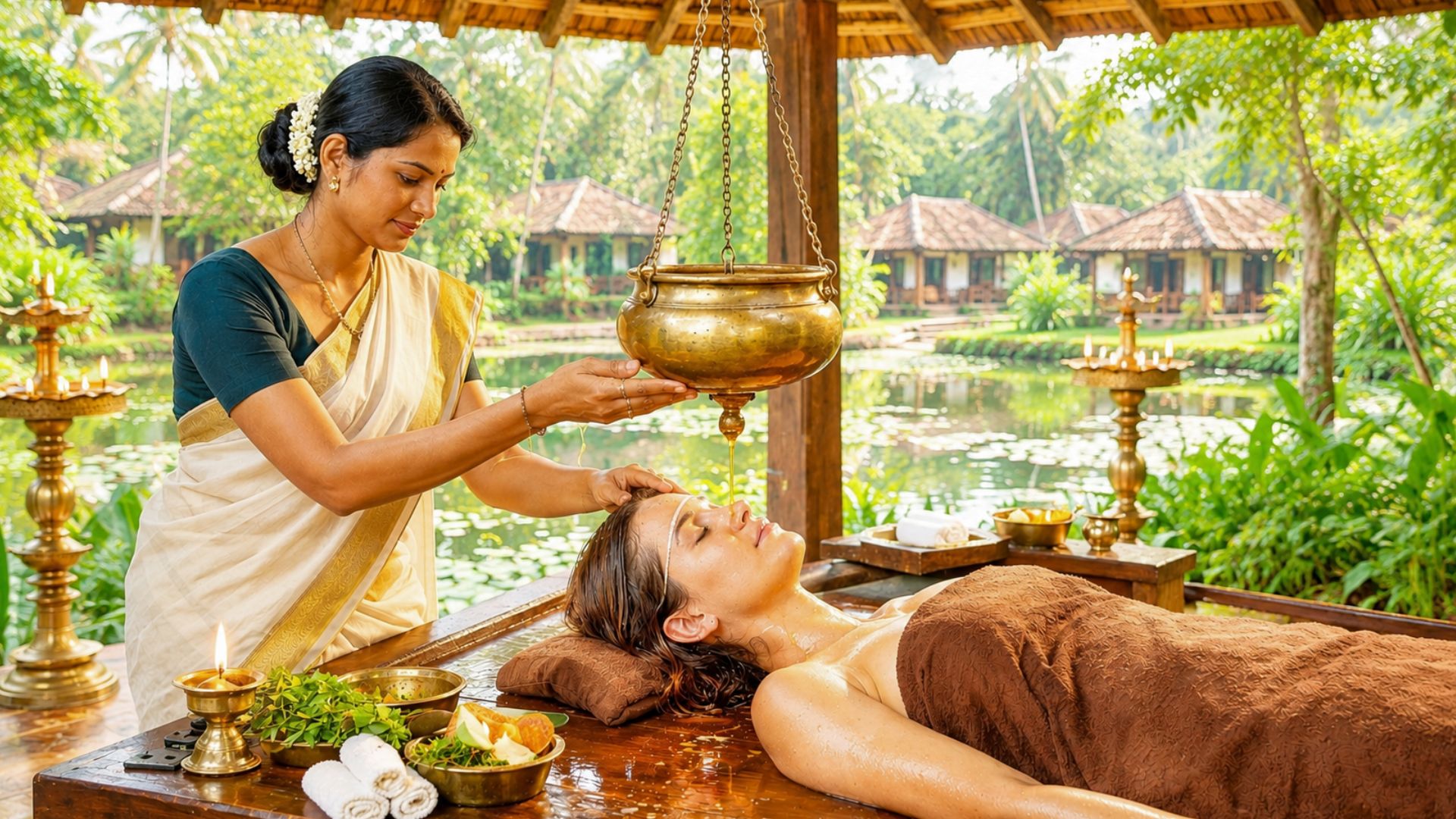
Want to experience natural therapies around the world? Visit Kerala to explore authentic Ayurvedic treatments. Unlike modern approaches that often focus only on symptoms, Ayurveda works gradually by supporting balance, relaxation, and overall well-being.
Ayurvedic treatments not only help rejuvenate the body but also encourage relaxation, detoxification, and inner balance. But what is the Best Time to Visit Kerala for Ayurvedic Treatment?
Just as the body changes with different seasons, Ayurvedic therapies are also planned according to seasonal changes. The diet, lifestyle, and treatments are adjusted based on nature’s rhythm.
Let’s explore Ayurveda, its treatments, and the best season to visit Kerala for an authentic Ayurvedic experience.

What is Ayurveda?
Before exploring Ayurvedic treatments, let’s understand the ancient science of Ayurveda.
Ayurveda is a traditional Indian wellness system that focuses on maintaining harmony between the mind, body, and surroundings. It believes that every individual has a unique constitution influenced by natural energies called Doshas.
Doshas in Ayurveda include Vata, Pitta, and Kapha. These three energies influence physical functions, emotions, digestion, and overall health.
- Vata Dosha is associated with air and space elements.
- Pitta Dosha is associated with fire and water elements.
- Kapha Dosha is associated with earth and water elements.
Every person has all three Doshas functioning together, but the balance between them differs from person to person.
Another important concept in Ayurveda is Agni, which represents digestive fire. A balanced Agni supports better digestion, metabolism, energy levels, and mental clarity.
Ayurvedic treatments focus on identifying Vikruti (imbalances) in the body and creating personalised approaches through therapies, diet, and lifestyle changes.
Ayurveda is not just a treatment method; it is a lifelong approach towards maintaining balance and healthy living.
Advantages of Getting an Ayurvedic Treatment in Kerala
An Ayurvedic treatment in Kerala can support your wellness journey in several ways:
- Helps understand your body’s natural constitution and needs.
- Identifies early signs of imbalance and supports preventive wellness.
- Guides you towards suitable diets, routines, and lifestyle habits.
- Uses traditional herbs, oils, and therapies as part of natural wellness practices.
- Adapts treatments according to seasonal changes.
Ayurveda is not only about treating problems but also about maintaining health through prevention and balance.
Understanding Doshas and Seasonal Changes
According to Ayurveda, seasonal changes influence the balance of Vata, Pitta, and Kapha Doshas. Kerala’s tropical climate makes these seasonal shifts especially important when planning Ayurvedic treatments.
Monsoon Season (June to September)
During the monsoon season, Vata Dosha tends to increase. The cool and humid climate makes this period ideal for cleansing and rejuvenation therapies, making it the Best Time to Visit Kerala for Ayurvedic Treatment.
The atmosphere during monsoon helps improve oil absorption through the skin, making it a preferred season for many intensive Ayurvedic therapies. Traditional treatments during this period focus on detoxification, strengthening immunity, and restoring balance.
Summer Season (February to May)
Summer is associated with an increase in Pitta Dosha. The hot climate may create the need for cooling and calming therapies.
Ayurvedic experts may recommend treatments such as Shirodhara, herbal oil massages, pranayama, meditation, and cooling diets to help maintain balance during warmer months.
Winter Season (October to January)
Winter is associated with Kapha Dosha and stronger digestion. It is considered a suitable time for rejuvenation therapies focused on improving strength, energy, and vitality.
The pleasant Kerala winter climate allows visitors to experience therapies comfortably while following nourishing Ayurvedic diets and routines.
Traditionally, the monsoon season is considered one of the best times to experience Ayurvedic treatments in Kerala.
An Ayurvedic treatment in Kerala helps in the following ways:
- You’ll get to know a natural blueprint of your body.
- You’ll understand the early signs of imbalance, helping you take better care of issues related to overall wellness.
- It helps you understand which diet to follow, what routine to maintain, and how to lead a healthier lifestyle.
- It uses natural herbs, oils, and traditional therapies as part of Ayurvedic wellness practices.
- Your lifestyle can be adjusted according to seasonal changes.
Ayurveda is not only a natural therapy but also a preventive approach that focuses on maintaining balance and supporting long-term wellness.
Understanding Doshas and How They Influence Seasonal Changes
The three Doshas in Ayurveda — Vata, Pitta, and Kapha — shift according to seasonal changes. In a tropical climate like Kerala, these variations can influence the body’s balance.
Monsoon Season (June to September)
During the monsoon season, Vata Dosha (air and ether elements) tends to increase. The humid climate helps open skin pores, making it a suitable time for detoxification and rejuvenation therapies.
This is considered a favourable period for intensive Ayurvedic and herbal treatments. The cool, moist, and dust-free environment supports traditional therapies that focus on detoxification, strengthening immunity, and restoring balance.
Summer Season (February to May)
During summer, Pitta Dosha (fire and water elements) tends to increase. Many visitors choose cooling therapies to help maintain balance during the warmer months.
Kerala summers can be hot and dry, which may increase internal heat. Ayurvedic experts may recommend therapies such as Shirodhara, herbal oil massages, pranayama, yoga, meditation, and cooling diets to promote relaxation and comfort.
Winter Season (October to January)
During winter, Kapha Dosha (earth and water elements) becomes more dominant, supporting stronger digestion and making it a suitable season for rejuvenation therapies.
Winter in Kerala is cool and comfortable, making it ideal for those looking to improve strength, energy, and vitality. Warm and nourishing Ayurvedic meals are often included to support digestion and overall wellness.
According to traditional Ayurveda, the monsoon season is considered one of the best times for Ayurvedic therapy in Kerala.
Why Monsoon Season is Best for Ayurvedic Treatment
Ayurvedic traditions highlight the Karkidakam month (monsoon period) in Kerala as an ideal time for rejuvenation therapies. The humid climate helps open skin pores, allowing herbal oils and treatments to work effectively.
- Humidity helps open skin pores naturally.
- Cool temperatures support better absorption of herbal oils.
- Lower pollution levels help maintain healthier skin.
- The body gets better support during detoxification and rejuvenation practices.
Recommended Treatments
Visitors can explore the following Ayurvedic treatments during the monsoon season in Kerala:
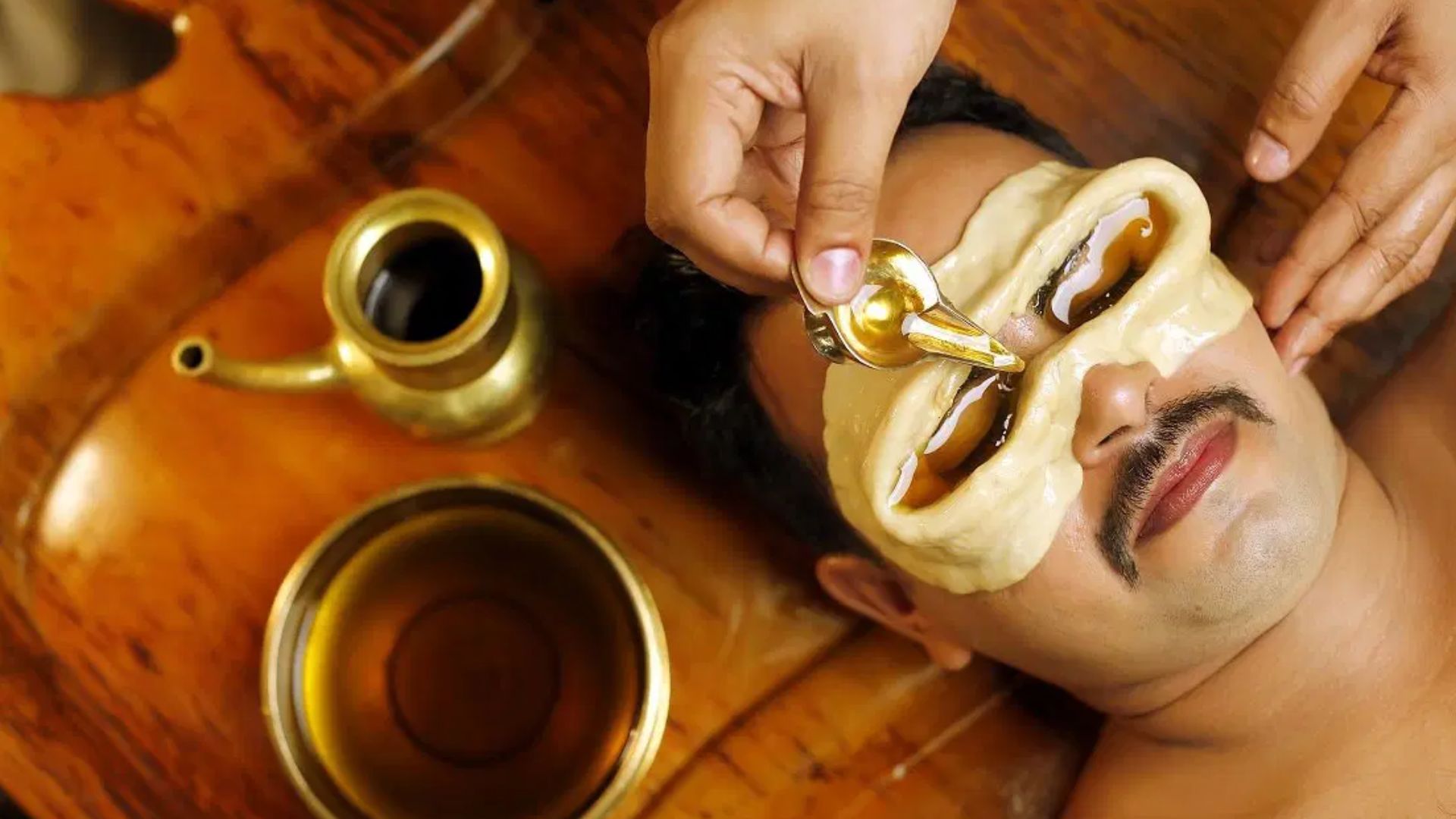
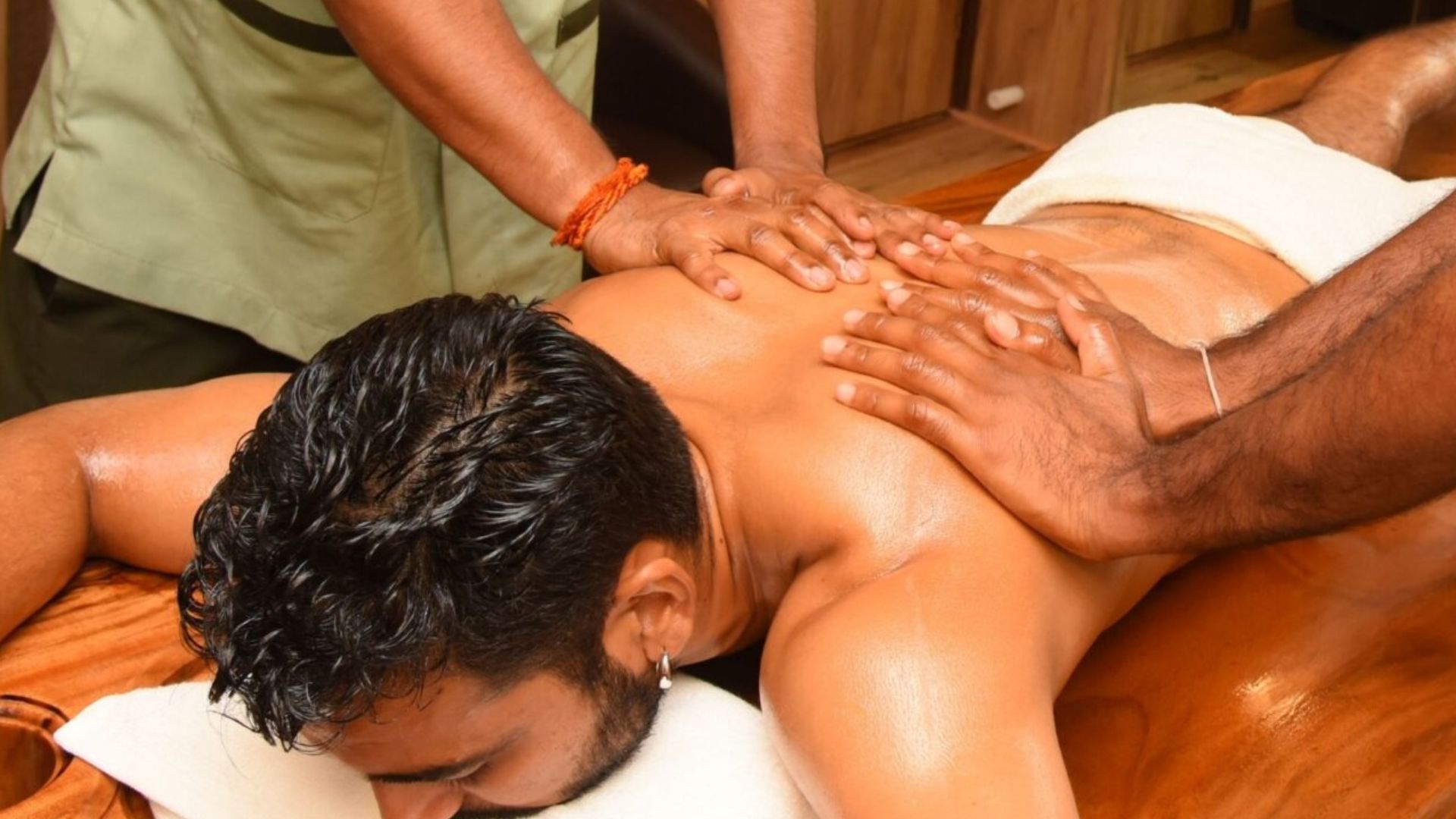
- Abhyangam (Full Body Oil Massage)
Abhyangam is a traditional Ayurvedic oil massage that helps relax muscles, reduce stress, and rejuvenate the skin.
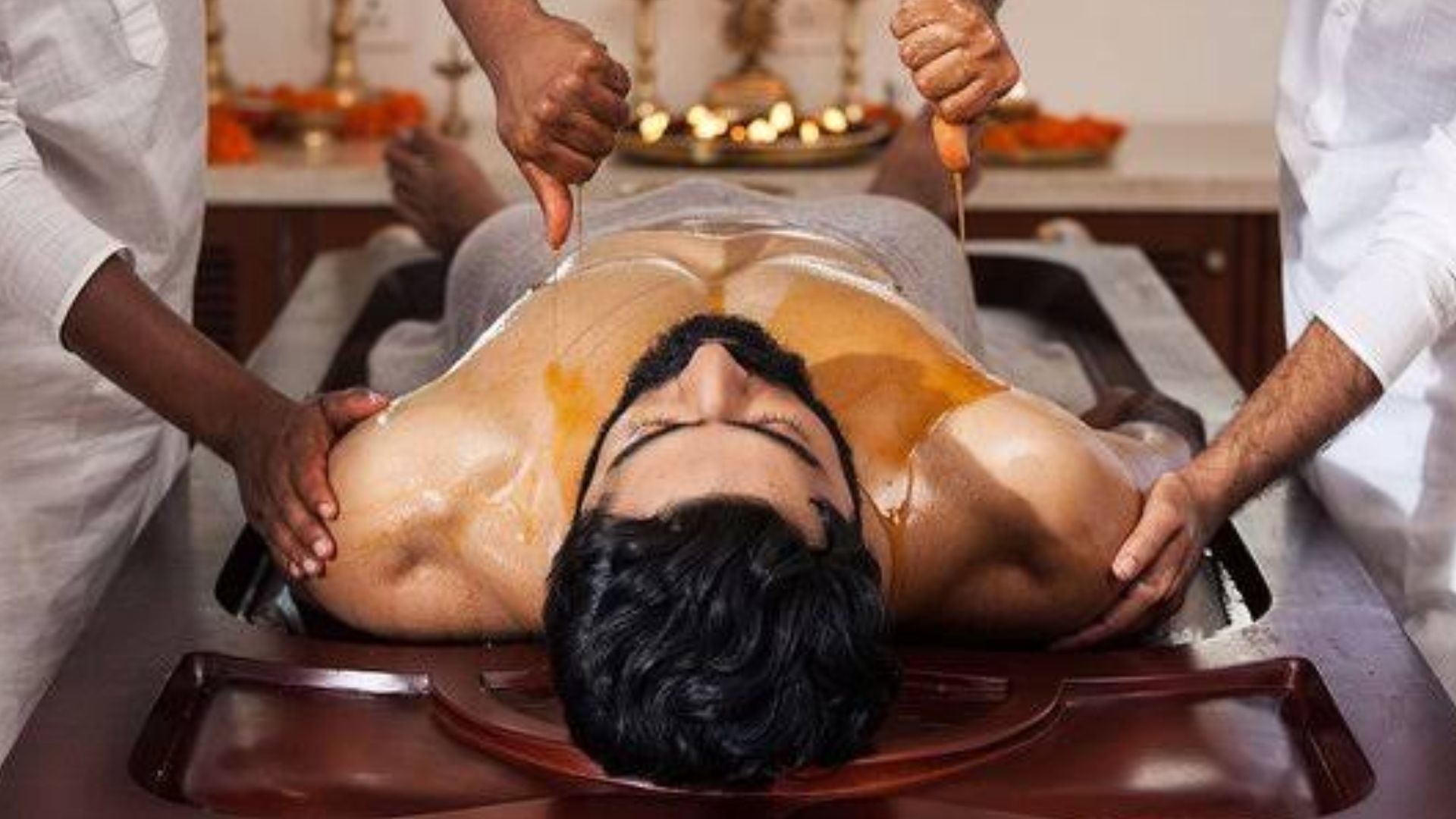
- Pizhichil (Warm Oil Therapy)
Pizhichil uses warm herbal oils combined with massage techniques to relax muscles, improve circulation, and provide deep relaxation.
- Njavarakizhi (Rice Poultice Therapy)
Njavarakizhi uses medicinal rice bundles prepared with herbal ingredients. It is traditionally used to nourish the body, support strength, and reduce discomfort.

- Panchakarma
Panchakarma is a traditional Ayurvedic cleansing programme that includes personalised therapies, diet plans, lifestyle changes, and relaxation practices.
Winter Therapy: Modern Favourite
The winter season is perfect for rejuvenation with cool mornings and pleasant sunshine. It provides a comfortable environment for strengthening and wellness programmes.
- Experience Rasayana therapies that support nourishment and vitality.
- Combine Ayurveda with traditional practices like Kalaripayattu.
- Enjoy natural surroundings for relaxation and recovery.
Recommended Treatments
- Shirodhara (Oil Stream Therapy)
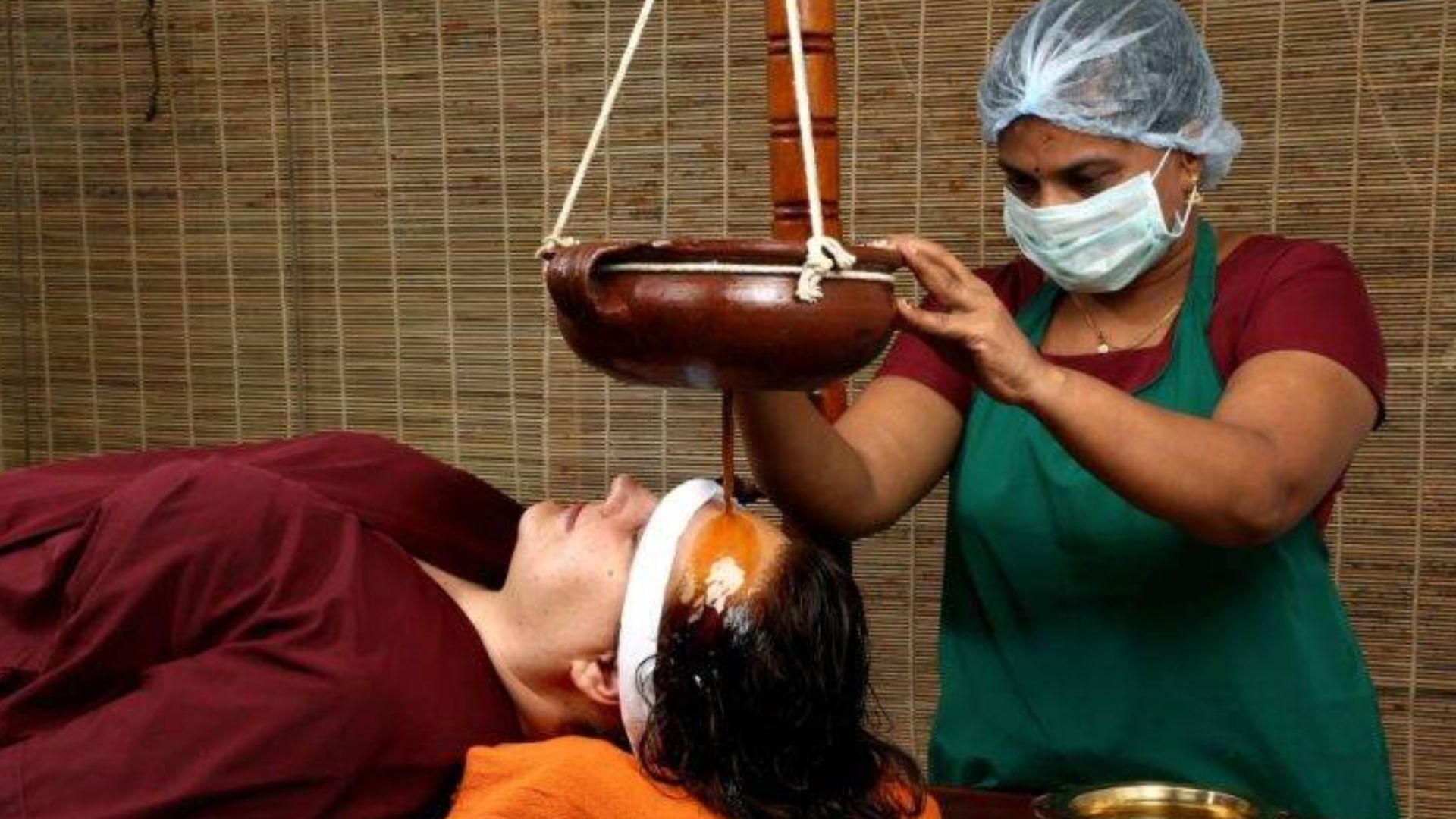
Shirodhara involves a continuous stream of warm herbal oil poured over the forehead. It is traditionally practised for relaxation, mental clarity, and stress management.
- Njavarakizhi
Njavarakizhi helps nourish the body using medicinal rice bundles. It is traditionally used to support stamina, immunity, and muscle relaxation.
- Udwartanam (Herbal Powder Massage)
Udwartanam is a dry herbal powder massage traditionally used to support circulation, skin health, and balance Kapha Dosha.
Summer Visit for Cooling Therapies
Summer Ayurvedic sessions focus on reducing Pitta imbalance. Cooling oils and therapies are commonly recommended to calm internal heat and promote relaxation.
Recommended Treatments
- Coconut and Sandalwood-Based Therapies
Cooling oils made from coconut and sandalwood are traditionally used to support relaxation and balance Pitta Dosha.
- Takradhara
Takradhara involves pouring medicated buttermilk over the forehead and body. It is traditionally practised for relaxation and supporting skin, mental, and neurological wellness.
Ayurvedic treatments require time and consistency to experience their benefits:
- At least 5 days for stress-relief programmes.
- Around half a month for detox programs.
- Half to one month for Panchakarma programmes.
Tips on Ayurvedic Treatments
- Book 2-3 months in advance if visiting around the monsoon or winter season
- Try to stay active at least a week before the trip. Start eating light food and sleeping early
- Take a break from allopathic medicines and supplements
- Make sure to pack breathable clothing during your retreat visit
Ayurvedic treatments are a blessing in disguise, which may feel weird before but work wonders afterwards. Consider starting with a stress-relief programme first, and you’ll feel the difference.