
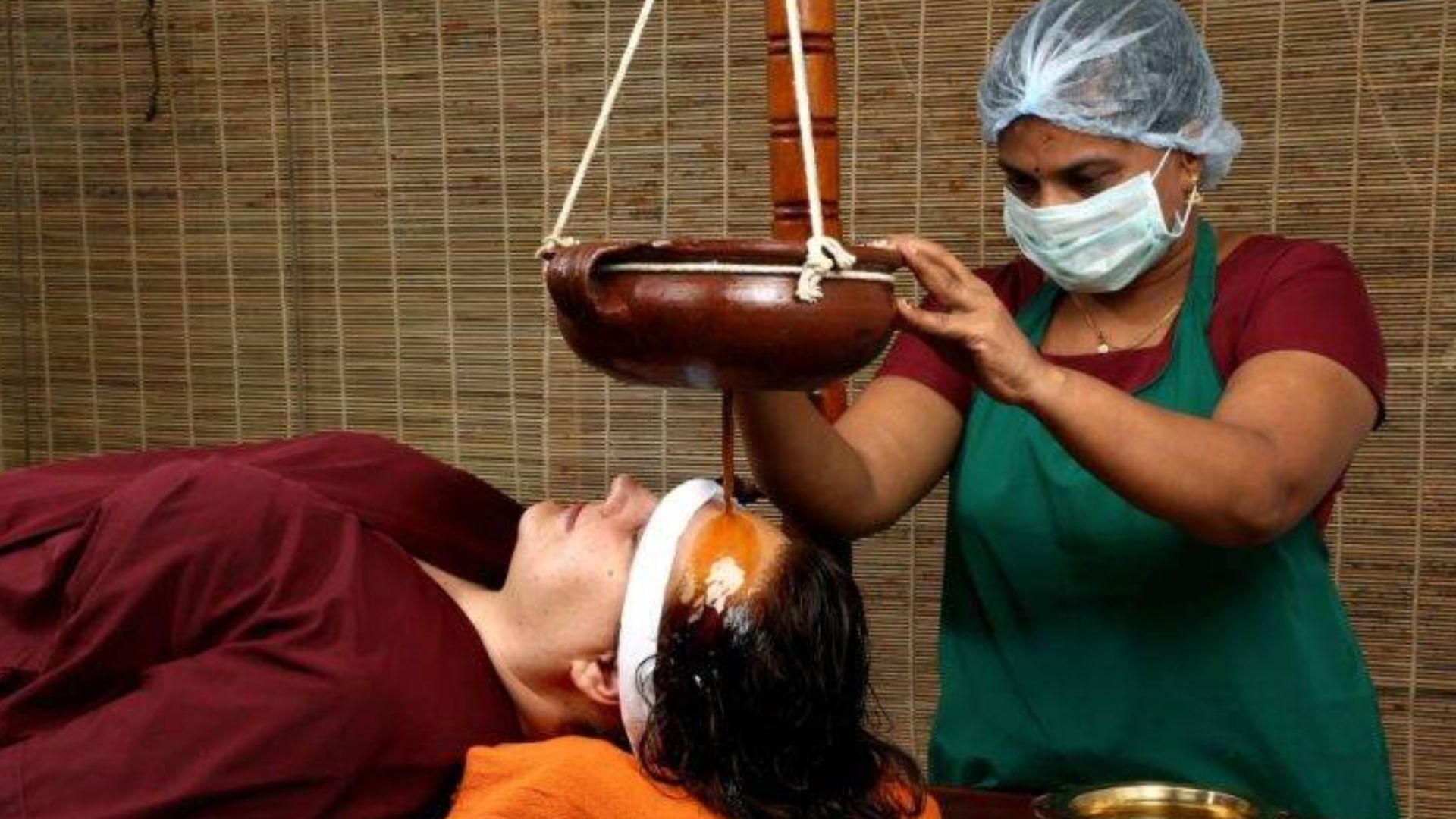
Panchakarma treatment is a traditional Ayurvedic therapeutic programme involving preparatory therapies, selected cleansing procedures and post-treatment care. The Sanskrit term “Panchakarma” means “five actions,” referring to classical procedures such as Vamana, Virechana, Basti, Nasya and Raktamokshana. The exact therapies used vary according to an individual’s assessment by a qualified Ayurvedic practitioner.
ALSO SEE – Ayurveda Retreats & Wellness Packages
Kerala offers these beautiful Ayurvedic retreats that work extensively on your internal and external health. Let’s understand this treatment (along with a few others) and how it works.
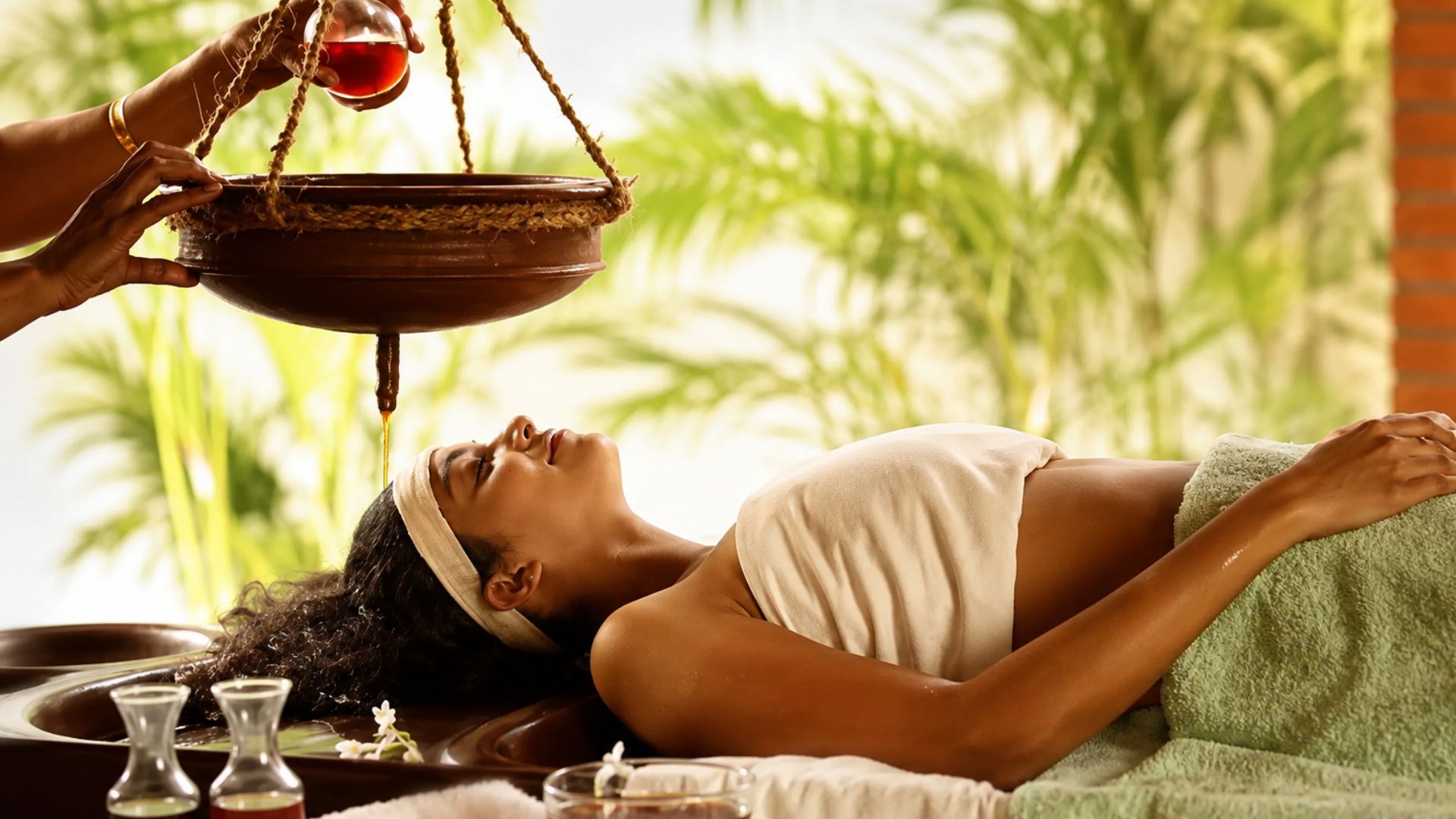
What Is Panchakarma Treatment? Procedures, Benefits, Duration & Safety
Pancha-karma literally translates to ‘five actions’. These aren’t just practices but therapeutic procedures traditionally used in Ayurveda as part of a structured purification approach
It is not a five-step facial. Panchakarma is a therapy or process that is done in a span of days or weeks (depending on how your body takes the treatment). The core principle working around it is ‘Ama’ or waste removal from the body.
In Ayurvedic theory, Ama refers to incompletely processed or accumulated material associated with impaired digestion and imbalance. Panchakarma is traditionally intended to address this concept through preparatory, cleansing and restorative procedures. Panchakarma is traditionally intended as a whole-person Ayurvedic approach rather than a treatment focused on a single symptom
Three Phases in Panchakarma Treatment
Before we explore the five actions, there are three phases in the Panchakarma treatment:
1. Purvakarma (the preparation phase)
The preparation phase includes oil massages (Snehana) and steaming sessions (Swedana). Purvakarma prepares the body for the main therapy. It commonly includes Snehana (oleation) and Swedana (sudation or therapeutic heat), selected according to the individual’s treatment plan. It’s like soaking a dirty cloth in water before putting it in the washing machine!
2. Pradhankarma (the main procedure)
Pradhankarma is the main treatment of the Panchakarma treatment. All the five procedures are taken under it; we will discuss it later in the read.
3. Paschatkarma (recovery phase)
After certain Panchakarma procedures, Ayurvedic practitioners may recommend a gradual return to normal foods as part of the recovery phase It may take a few days or weeks to get adjusted to normal food. Get a good Khichdi or simple diet from your Panchakarma centre to adjust slowly.
ALSO SEE – Detox Retreats for Complete Rejuvenation
The Five Karmas in Pradhankarma
Pradhankarma includes five procedures. An Ayurvedic expert selects which procedure(s) to perform based on your Doshas.
-
Vamana (therapeutic vomiting)
Vamana, or therapeutic vomiting, is a controlled and medically supervised procedure. Vamana is traditionally used in Ayurveda for certain Kapha-associated conditions; suitability should be determined by a qualified practitioner
-
Virechana (purgation)
Virechana involves controlled purgation using preparations prescribed by an Ayurvedic practitioner. In Ayurvedic practice, it is traditionally associated with the management of Pitta-related imbalances. The procedure should be selected only after individual assessment.
-
Basti (medicated enema)
Basti involves the rectal administration of prescribed medicated oils or herbal preparations. In Ayurveda, it is traditionally associated with Vata-related imbalances. The formulation and procedure vary according to the individual’s treatment plan
-
Nasya (nasal administration)
Nasya involves the administration of prescribed medicated oils or other preparations through the nasal route. In Ayurvedic practice, it is traditionally used for selected conditions involving the head and neck region
-
Raktamokshana (bloodletting)
Raktamokshana is a bloodletting procedure described in Ayurveda for selected indications. It is not appropriate for everyone and should only be performed by a properly trained practitioner in an appropriate clinical setting
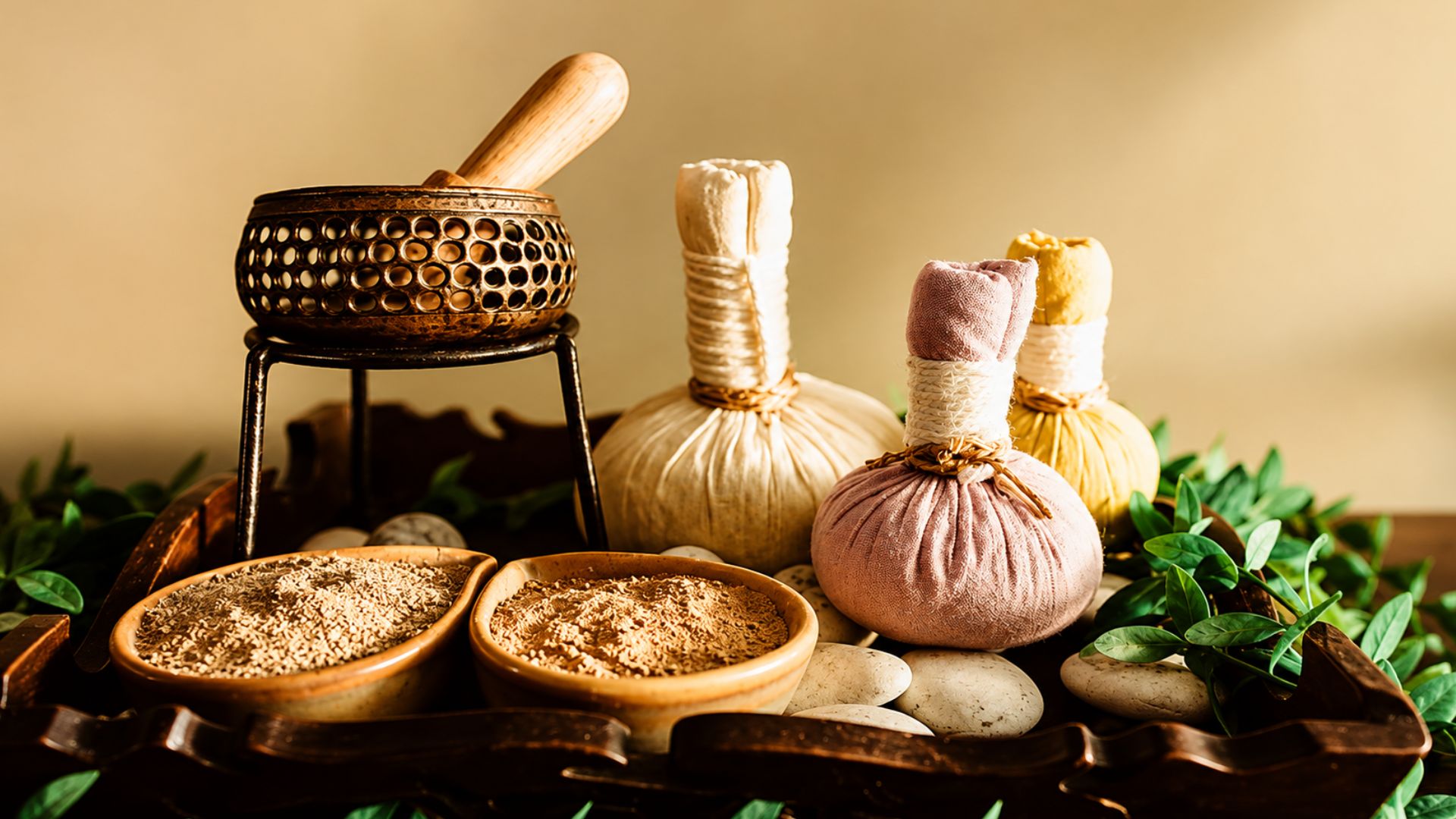
Traditionally Described Benefits of Panchakarma
Within Ayurvedic practice, Panchakarma is traditionally used as a structured purification and restorative programme. Depending on the individual assessment and therapies selected, its traditional objectives may include supporting digestive balance, regular bowel habits, relaxation, daily routine, sleep and overall wellbeing.
Modern scientific evidence for many specific Panchakarma health claims remains limited or mixed. Panchakarma should therefore not be presented as a guaranteed cure for conditions such as arthritis, eczema, depression or other medical disorders, and it should not replace appropriate medical diagnosis or treatment
It helps to treat:
- Digestive issues like bloating, gas and loose motions that painkillers and antacids mask
- Joint stiffness and early arthritis
- Skin issues like eczema and psoriasis
- Fatigue with no underlying reason
- Stress, anxiety and depression
- Sleep disorders
- Seasonal flu symptoms
How Long Does Panchakarma Treatment Take?
There is no fixed duration for Panchakarma treatment. The length of the programme depends on your health condition, body constitution, the therapies selected by the Ayurvedic practitioner, and how your body responds during the preparation and recovery phases.
A shorter Panchakarma programme may focus on selected preparatory and therapeutic procedures, while a longer programme may provide additional time for preparation, the main therapy and post-treatment recovery
In general, Panchakarma programmes may range from 7 days to 21 days or longer. Shorter programmes are often designed for mild rejuvenation or selected therapies, while longer programmes allow more time for preparation, the main procedures, and post-treatment recovery.
A 7-day Panchakarma programme may include basic preparatory therapies such as oil massage and steam therapy, followed by selected treatments based on your assessment. A 21-day Panchakarma treatment usually offers a more gradual and structured programme with additional time for Purvakarma, Pradhanakarma and Paschatkarma.
The exact Panchakarma treatment duration should always be decided after consultation with a qualified Ayurvedic practitioner. Factors such as age, digestion, medical history, strength, dosha assessment and existing health conditions can influence how many days Panchakarma takes.
Avoid choosing a programme simply because it promises a “complete detox” within a specific number of days. Panchakarma is an individualized Ayurvedic treatment, and not every person requires the same therapies or treatment length.
Do You Undergo All Five Panchakarma Therapies?
No, you do not always need to undergo all five Panchakarma therapies. The treatment is usually personalised based on your body constitution, health concerns, age, strength, digestion and dosha imbalance.
After an Ayurvedic consultation, the practitioner may recommend only one or a few procedures such as Vamana, Virechana, Basti, Nasya or Raktamokshana. Some people may require a longer treatment plan, while others may only need selected therapies.
The aim of Panchakarma is not to complete all five procedures as a fixed package. Instead, the therapies are chosen according to what is considered suitable for the individual.
For this reason, Panchakarma should be planned and supervised by a qualified Ayurvedic practitioner rather than selected as a standard treatment package.
What Panchakarma Treatment is Not?
Many myths surround the Panchakarma treatment. This procedure is not:
- A weight-loss procedure
- Something random to be experienced
- Just a deep-tissue massage and pedicure
Panchakarma treatment isn’t recommended for pregnant women, people undergone recent surgery or anyone with serious heart and kidney issues.
Most people consider this treatment as a walk-in procedure. But it’s not. Your first day is just a consultation where pulse diagnosis, digestion, stress, stool, sleep and lifestyle are discussed. The doctor gets to know about your dosha imbalance and makes a treatment plan accordingly.
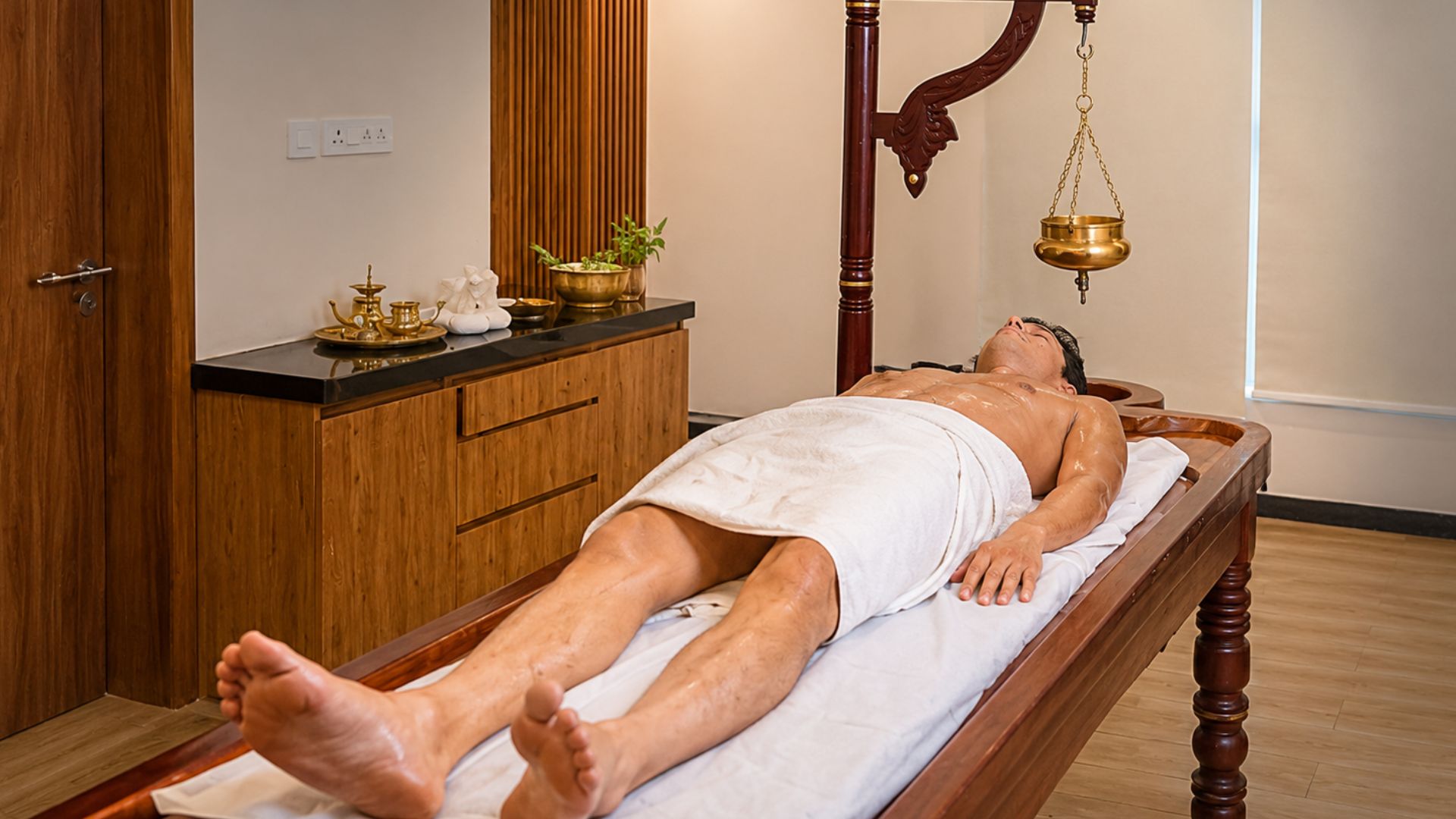
Things to Know Before You Book Panchakarma Treatment
- You may feel tired during the treatment
Some procedures may cause temporary fatigue, bowel changes or other discomfort. Tell your treating practitioner about any unexpected or severe symptoms rather than assuming that worsening symptoms are a normal part of treatment.
- Your diet matters more than the procedure
Make sure your diet is as light as you feel post the treatment. Do not switch to chai and fried snacks the very next morning! It may cause digestion issues as well.
- Your duration matters
Do not get fooled by treatments that promise full detox in two days. Good things take time to reflect!
- Consider your Ayurvedic practitioner
Do not get fooled by a beautiful resort with a pool. Always make sure you’re getting treated by an experienced Ayurvedic practitioner.
Not Interested in Panchakarma ?
Check Out Yoga Retreats for Mind and Body
Is Panchakarma Safe?
Panchakarma should be carried out only under the supervision of a qualified Ayurvedic practitioner. Procedures such as therapeutic vomiting, purgation, enemas and bloodletting can have significant effects on the body and should never be attempted at home without professional guidance.
Before starting treatment, inform your practitioner about any existing medical conditions, recent surgery, pregnancy, medications, allergies or ongoing treatments. Not every Panchakarma procedure is suitable for every person, and the treatment plan should be adjusted according to your health status and individual assessment.
People who are pregnant, recovering from major surgery, physically weak, or living with serious heart, kidney or other medical conditions may need to avoid certain procedures or Panchakarma altogether unless specifically advised by qualified healthcare professionals.
If Ayurvedic medicines or supplements are included in the programme, choose a reputable treatment centre that uses properly sourced and quality-controlled products. Do not stop prescribed medicines or replace necessary medical treatment with Panchakarma unless your treating doctor advises you to do so.
If you experience severe weakness, persistent vomiting, dehydration, bleeding, intense pain or any unusual symptoms during treatment, seek medical attention rather than assuming these symptoms are a normal part of the process.
So, Should You Try Panchakarma?
Panchakarma is a structured Ayurvedic treatment programme that combines preparation, selected therapeutic procedures and post-treatment care. It is not simply an oil massage or a standard spa detox, and the therapies and duration can vary considerably from person to person.
If you are considering Panchakarma in Kerala, begin with an assessment by a qualified Ayurvedic practitioner. Choose a centre based on the qualifications of its doctors, treatment standards, personalised care and safety practices rather than resort facilities or promises of a quick detox.
Frequently Asked Questions About Panchakarma Treatment
1. What is Panchakarma treatment?
Panchakarma is a traditional Ayurvedic treatment programme that includes preparation, selected cleansing procedures and post-treatment recovery. The treatment is personalised according to an individual’s health, body constitution and Ayurvedic assessment.
2. What are the five Panchakarma therapies?
The five commonly described Panchakarma therapies are Vamana (therapeutic vomiting), Virechana (therapeutic purgation), Basti (medicated enema), Nasya (nasal administration of medicated preparations) and Raktamokshana (therapeutic bloodletting in selected cases).
3. Do you need all five Panchakarma procedures?
No. Most people do not undergo all five procedures. An Ayurvedic practitioner selects one or more therapies based on factors such as health condition, strength, digestion, age and dosha assessment.
4. How long does Panchakarma treatment take?
There is no fixed duration. Panchakarma programmes may last from around 7 days to 21 days or longer, depending on the preparation required, the therapies selected and the recovery period.
5. Is Panchakarma painful?
Panchakarma is not necessarily painful, but some procedures can be uncomfortable. Therapies involving purgation, vomiting or enemas may cause temporary discomfort, which is why treatment should be carried out under professional supervision.
6. Is Panchakarma safe?
Panchakarma can involve intensive procedures and should be performed only under the supervision of a qualified Ayurvedic practitioner. Your medical history, medications and existing health conditions should be discussed before treatment begins.
7. Who should avoid Panchakarma?
Panchakarma may not be suitable for everyone. Pregnant women, people recovering from major surgery, very weak individuals and people with serious heart, kidney or other medical conditions should seek professional medical advice before considering treatment.
8. Can Panchakarma be done at home?
Some gentle Ayurvedic routines may be recommended for home use, but major Panchakarma procedures such as therapeutic vomiting, purgation, enemas or bloodletting should not be attempted without qualified supervision.
9. What should you eat after Panchakarma?
After Panchakarma, practitioners often recommend simple, light and easy-to-digest foods such as rice-based meals, khichdi, soups and cooked vegetables. The diet should be introduced gradually according to the practitioner’s advice.
10. Is Panchakarma scientifically proven?
Panchakarma is an established part of traditional Ayurvedic practice, but modern scientific evidence for many of its specific health benefits is still limited or mixed. It should not be used as a replacement for necessary medical diagnosis or conventional treatment.
11. Is Panchakarma only for detoxification?
No. Although Panchakarma is often described as a cleansing or detoxification programme in Ayurveda, it also includes preparation, dietary routines, rest, lifestyle guidance and recovery. The exact purpose of treatment varies according to the individual’s Ayurvedic assessment.
12. How do I choose a Panchakarma centre in Kerala?
Choose a Panchakarma centre in Kerala that has qualified Ayurvedic doctors, clearly explains its treatment process, conducts a consultation before treatment and provides personalised care. Avoid choosing a centre only because of resort facilities, low prices or promises of a complete detox in a very short time.