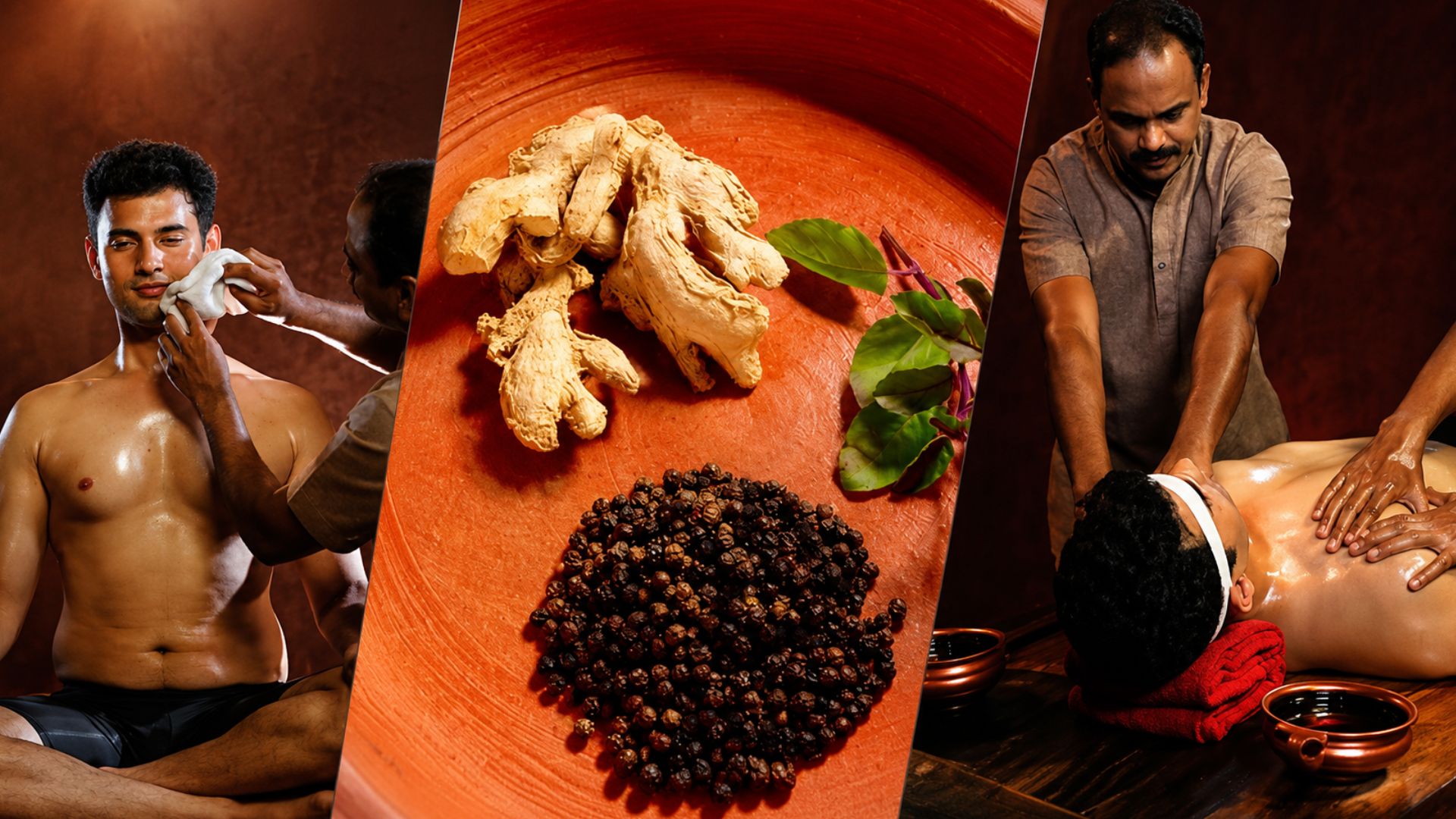
Modern lifestyle often leaves us completely drained—physically and mentally—and desperate for a break. When you start looking for a way to relax, two common options usually come up. One is to go for quick fixes, such as a relaxing massage or a spa visit. The other is an ancient Ayurvedic treatment, which often leads people to compare Panchakarma vs Detox Retreat experiences.
Both promise to clear toxins from your body and help you relax. But going beyond the marketing and their promises, the actual results could differ heavily. So if you pick the wrong one, you might end up wasting both your money and time.
In this guide, we will explore two main ways to relax your body and mind and answer common questions people have, such as what Panchakarma and detox retreats each offer and how Panchakarma differs from a normal spa retreat. We hope this guide will help you save a lot of hassle before choosing one.
Panchakarma (Ayurveda Detox) vs Modern Detox
People often easily assume that a Panchakarma retreat is the same as any other wellness retreat. And on paper, too, both seem to offer the same thing: a much-needed break for your body. But if you go a little deeper, you will find out that their core philosophies are very different.
A modern detox retreat takes the treatment as a quick fix and focuses mainly on the symptoms of the problem. They work by controlling what you eat and cutting back on caffeine, alcohol, refined sugar, and junk food for a few days to let your digestive system rest.
Ayurveda, on the other hand, looks at the treatment in a very different way. Instead of treating body waste as something you just accumulate from what you eat, it views it as a long-term buildup of toxins in the body. In Ayurvedic terms, this metabolic waste is called Ama. It usually accumulates when your internal digestive fire—Agni— starts to weaken.
Panchakarma is that specific Ayurvedic treatment for clearing out toxins from the body. In Sanskrit, Panchakarma means “five actions”, and these 5 actions are an intensive, time-tested process to heal the body. The Panchakarma treatment works by deeply flushing out waste that has accumulated in your body over time.
Medical Supervision and Personalization Levels
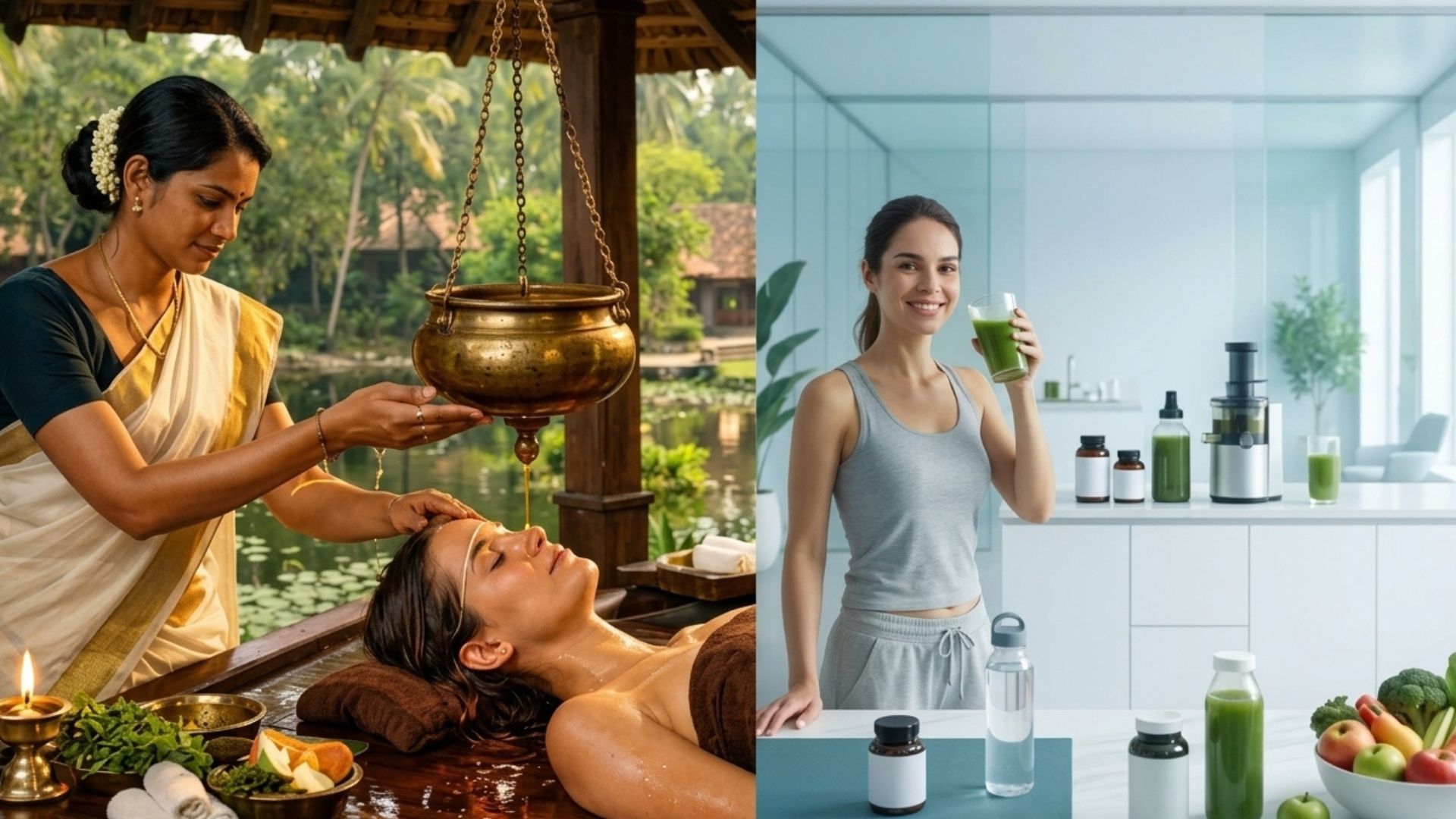
One of the biggest differences you find between these two options is that Ayurvedic retreats are usually planned and conducted by licensed medical doctors. Whereas, at other normal retreats, your treatment is usually provided by wellness coaches, yoga instructors, or nutritionists.
The Diagnostic Protocol in Panchakarma
If you go to an authentic Panchakarma retreat, you find out that it is no different than a residential medical facility. When you start your treatment, an Ayurvedic physician takes a detailed clinical examination of your health by checking your pulse (Nadi Pariksha), tongue, eyes, abdomen, and other health conditions.
This health checkup helps them understand your natural baseline (Prakriti) and find out where your body is currently out of balance (Vikriti). From then on, the doctor conducts daily checkups to track your progress and adjust your treatment as needed.
The Standardized Approach in Modern Detox
In modern detox retreats, they do not usually create a personalized plan for each individual; instead, they give everyone the exact same plan. So, you’re drinking the same juice and sitting in the exact same fitness classes as everyone. It might make you feel lighter and more relaxed, but the lack of a personalized plan often just treats the symptoms rather than the root cause of the problem.
Core Therapies: Classical Panchakarma vs Juice Detox
If you place a juice detox and Panchakarma side by side, the methods can seem similar. But a juice fast depends heavily on calorie restrictions. Panchakarma, on the other hand, follows a personalized, three-stage process to treat the body in a systematic manner.
1. Purva Karma (Preparatory Stage)
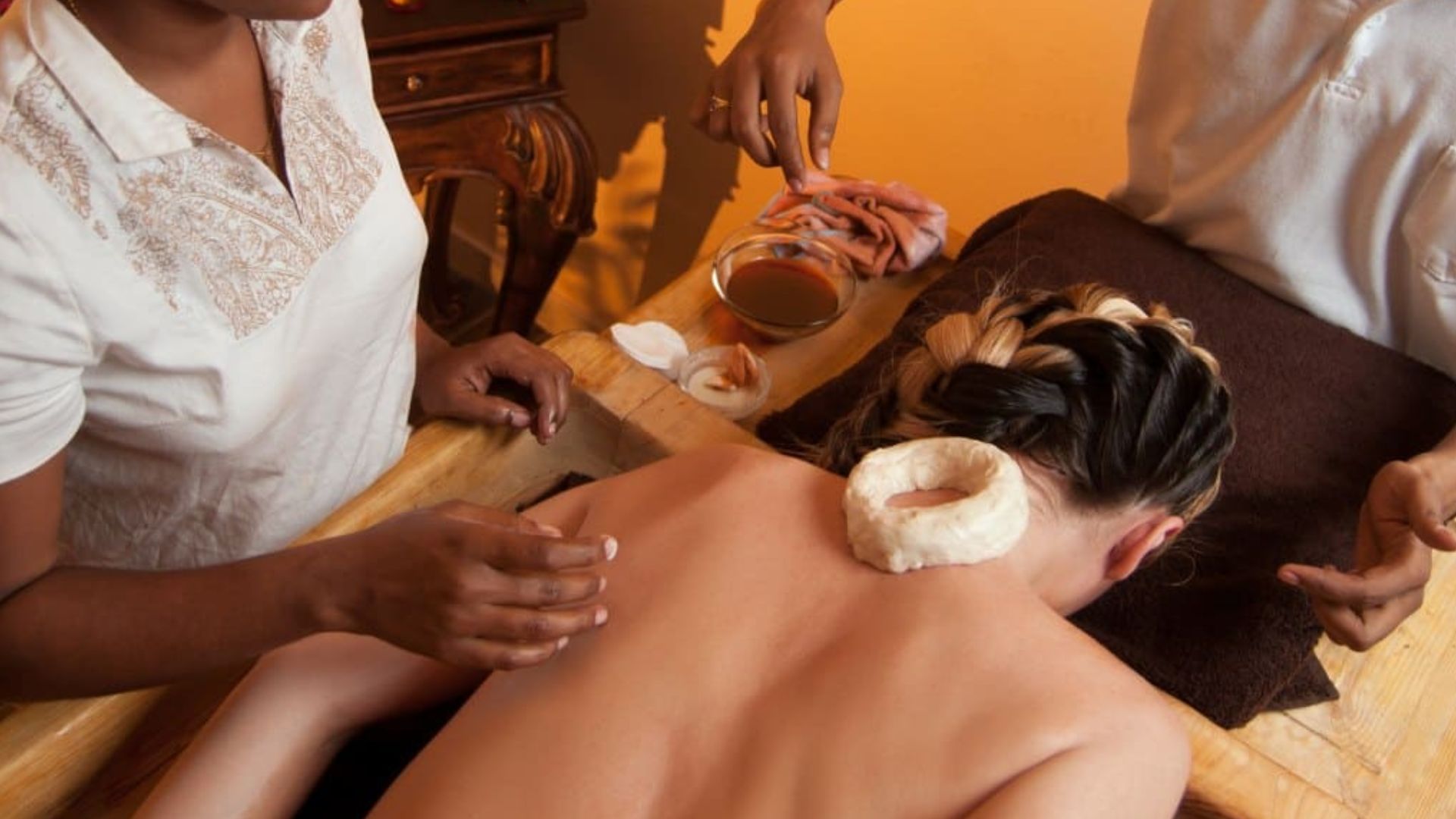
In panchakarma, they usually follow a preliminary stage before the real therapy to prepare your body. It usually starts with Snehana, where you drink medicated ghee and have a daily massage with herbal oils. Then it is followed by Swedana, which is a series of herbal steam bath therapies that help your body expand its tissues and loosen toxins.
2. Pradhana Karma (The Five Primary Cleansing Actions)
Once your body is prepared for the main treatment, the physician starts the process with specific personalized techniques:
Vamana: It is a process for clearing heavy Kapha congestion from the respiratory system and the upper stomach.
Virechana: A process to flush out toxins from the liver and cool severe Pitta heat with herbs.
Basti: Treatment to fix Vata imbalances in the colon with herbal oil and tea.
Nasya: A process to relax the mind and sharpen focus by dropping herbal oil into the nasal passage.
Raktamokshana: A specialized therapy to fix stubborn, acute skin conditions by cleaning blood.
3. Paschat Karma (Post-Cleansing Rejuvenation)
Panchakarma gives the recovery phase as much importance as the real therapy, as your body needs time to rebuild its strength. During the recovery period, they follow Samsarjana Krama, a step-by-step diet plan that focuses on light, easy-to-digest foods and gradually reintroduces normal foods to restore the digestive system. It also includes Rasayana herbal tonics to help your body naturally build good immunity.
Normal detox retreats, on the other hand, use methods such as saunas, colonics, and juices, which may feel great and support overall wellness, but they lack the personalization that Panchakarma delivers.

Dietary Approaches: Warm Nourishment vs Liquid Fasting
There is another major difference between the dietary plan followed in Panchakarma and detox. Many popular detox retreats place great importance on liquid fasting, smoothies, or cold juices. However, the problem is that consuming raw, cold foods can dampen your digestive agni.
From an Ayurvedic perspective, cold juices can potentially irritate Vata and weaken Agni. With this understanding, Panchakarma takes the opposite path to treatment, focusing instead on warm, freshly prepared, and easily digestible foods. Their in-house chefs prepare custom recipes for individual needs.
Kitchari is the main meal that a panchakarma retreat serves to people throughout their stay at an Ayurvedic retreat. It is a balanced diet that is both nourishing and really easy to digest. Along with these meals, guests are also given warm herbal waters to sip specifically to calm their individual dosha.
Detailed Comparison: Panchakarma vs Detox Retreat
The table below shows major differences between these two popular detox retreats:
| Main Features | Modern Detox Retreat | Ayurvedic Panchakarma Retreat |
|---|---|---|
| Core Philosophy | Short-term lifestyle reset and caloric restriction. | Deep cellular purification and doshic rebalancing. |
| Medical Supervision | Wellness guides, nutritionists, or fitness trainers. | Licensed Ayurvedic doctors (BAMS/MD) with daily visits. |
| Personalisation | Standard group programs with fixed schedules. | Fully customized plans based on Prakriti and Vikriti. |
| Dietary Protocol | Salads, juices, and fasting broths. | Warm, cooked, dosha-specific meals and kitchari. |
| Therapies Used | Saunas, scrubs, colonics, and general massages. | Snehana, Swedana, Shirodhara, and five karmas. |
| Ideal Duration | 3 to 7 days. | 14 to 28 days (optimal time). |
| Post-treatment Plan | General healthy eating plan. | Rasayana therapy and lifestyle adaptation. |
Duration Requirements: Why Time Matters for Real Healing
How long you can stay for treatment is a major factor in choosing the duration of your treatment. A modern detox retreat usually lasts 3 to 7 days, which is perfect if you need a quick weekend of relaxation.
However, if you want a proper treatment, it takes more than three days.
Ayurvedic science takes time because each step is followed in a proper order. Your body tissues usually need enough time to soften, release waste, and safely purify those toxins.
Most physicians recommend choosing a complete 21-Day Panchakarma Chikitsa Retreat for proper results. This 21-day plan involves three weeks of treatment: seven days to prepare the body, seven days to cleanse, and a final seven days for recovery.
But if you’re short on time, you can also choose a 7- to 14-day Ayurveda Rejuvenation Packages. While it is less intensive, these shorter plans focus mainly on easing daily stress and nourishing your body.
How to Choose the Best Detox Retreat for Your Goals
When choosing the best detox retreat, the main factor influencing your decision is your personal health goals and time availability.
When to Choose a Modern Detox Retreat
A standard wellness retreat is best for you if you:
● Have only 4 to 7 days available for travel.
● Want a relaxing holiday with fitness and yoga classes.
● Want to stop unhealthy eating habits.
● Prefer general relaxation.
You can check this curated list of Detox Retreats to find the best retreats.
When to Choose an Authentic Panchakarma Retreat
A Panchakarma clinical treatment is ideal for you if you:
● have digestive issues, joint problems, or metabolic issues.
● can dedicate 14 to 28 days of your time for healing.
● want treatment supervised by proper physicians
● Want lasting systemic rebalancing rather than a temporary fix.
Frequently Asked Questions
1. What is the main difference between Panchakarma and a detox retreat?
Panchakarma is an Ayurvedic clinical purification treatment supervised by qualified physicians that targets deep-tissue toxins. Detox retreats focus on resetting lifestyle through clean eating and spa relaxation.
2. Is Panchakarma safe for complete beginners?
Yes, Panchakarma is safe for beginners when it is supervised by qualified Ayurvedic doctors. Every treatment plan should match the goals and health conditions of the patient.
3. How many days are needed for effective Panchakarma?
A minimum of 14 days of Panchakarma is recommended for proper cleansing. However, a 21- to 28-day plan can give more intensive treatment.
4. What food is served during a Panchakarma cleansing program?
Patients get to eat warm, freshly cooked vegetarian meals like kitchari and steamed vegetables during a Panchakarma cleansing program. Foods are generally made with digestive herbs to support metabolic strength.
5. Can a modern detox retreat cure chronic illnesses?
No, commercial detox retreats provide general wellness and relaxation. They cannot replace medical treatments or clinical therapies for chronic conditions.
Conclusion
Understanding the difference between Panchakarma and a standard detox retreat helps you make an informed decision when choosing between the two. A modern detox retreat offers short-term relaxation to your mind and body. Whereas Panchakarma offers an Ayurvedic healing process, guided by experienced medical doctors, to heal the root cause of your health issues. If you want proper detoxification, authentic Ayurvedic treatment could be the best choice. However, make sure to choose the plan that best fits your health goals and current medical conditions.